Category: Grief

  • Tales from the Ammo Box – Elder Academy

    Tales from the Ammo Box – Elder Academy

    [fusion_builder_container type=”flex” hundred_percent=”no” equal_height_columns=”no” menu_anchor=”” hide_on_mobile=”small-visibility,medium-visibility,large-visibility” class=”” id=”” background_color=”” background_image=”” background_position=”center center” background_repeat=”no-repeat” fade=”no” background_parallax=”none” parallax_speed=”0.3″ video_mp4=”” video_webm=”” video_ogv=”” video_url=”” video_aspect_ratio=”16:9″ video_loop=”yes” video_mute=”yes” overlay_color=”” video_preview_image=”” border_color=”” border_style=”solid” padding_top=”” padding_bottom=”” padding_left=”” padding_right=””][fusion_builder_row][fusion_builder_column type=”1_1″ layout=”1_1″ background_position=”left top” background_color=”” border_color=”” border_style=”solid” border_position=”all” spacing=”yes” background_image=”” background_repeat=”no-repeat” padding_top=”” padding_right=”” padding_bottom=”” padding_left=”” margin_top=”0px” margin_bottom=”0px” class=”” id=”” animation_type=”” animation_speed=”0.3″ animation_direction=”left” hide_on_mobile=”small-visibility,medium-visibility,large-visibility” center_content=”no” last=”true” min_height=”” hover_type=”none” link=”” border_sizes_top=”” border_sizes_bottom=”” border_sizes_left=”” border_sizes_right=”” first=”true”][fusion_text]

    Another edition of Tales from the Ammo Box

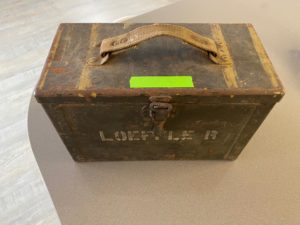
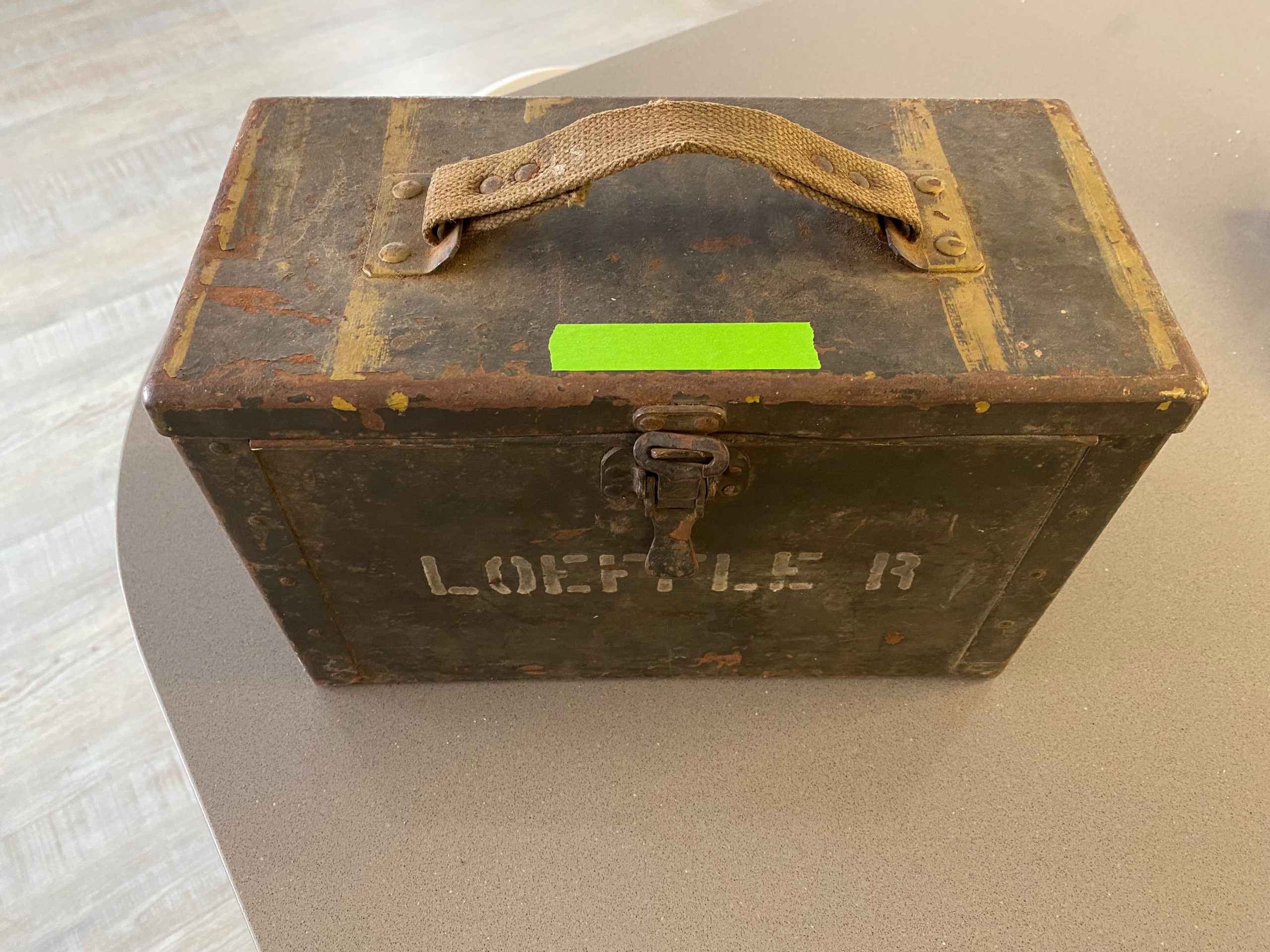
    In browsing today, I came across an article from The Elder Academy and it sparked a few thoughts that I would like to share and expand on. When we experience loss, so many changes happen.  I relate this to when I was confronted by the loss of my daughter. My wife, Nancy and I had our world turned upside down and little was left that was recognizable.

    On that November 2000 date, we experienced a moment that transitioned what was familiar into chaos.  Like most people faced with an unexpected death, we were overwhelmed. We needed reorienting in our changed worlds and lives, but without a roadmap or guide it was nearly an impossible task for me. Grieving is exhausting, no matter what kind of loss you have. Reorienting took me awhile to maneuver. I was not available or not showing up for Nancy or our son Peter. I just went through those early days in a haze. I didn’t broadcast my need for help because I was just drained. I isolated,  being quiet and self-protective in an attempt to regain balance.

    I walked in fog; twisting on a path through through the unfamiliar landscape of grief. Nancy said that at times she felt the need to walk on eggshells around me. I returned to work in an attempt to keep busy, to numb the pain and attempt to put on a strong face. After all, as men we are told to be strong and sIlent. I gained weight, drank too much and lost interest in most activities. I didn’t fully know who I was, who others were and made some bad career and personal decisions.

    In those early days, I realize now, that I was not trying hard enough. I was at a point where just showing up was difficult and I struggled with the inertia and exhaustion. It wasn’t until I became too uncomfortable living in the mess that I was in, that it was either change or give up on everything I had built. I chose to salvage my damaged life and to try to regain my identity and well being. I had assumed that I was going to make it, but I didn’t know how my recovery would play out.

    “Knowing that you don’t have a clue about how to help yourself can be a huge gift to yourself.”

    Along the way I spoke to professionals who planted seeds for my eventual recovery. I discovered the Grief Recover Method that spoke to me on my level and learned of men’s work. In short it took a lot of effort. Today, I use those building blocks to help others in their recovery.

    “Not knowing is allowing openness and spaciousness to reveal the mystery and provide a path to understanding.”

    This is especially true when grief is present. Not knowing is one of the hardest things for people to master. It often seems dangerous to take a leap of faith in a time when things are in chaos.  Our mind attempts to fill in not-knowing with all kinds of assumptions, assertions, projections often just making us more confused.

    In grief, we have to navigate by guesswork, prepare to be wrong, and at best be open to discovery. My father used to tell me something like this and I never understood it until I was in that situation. “Hope for the best, expect the worst and take whatever comes,” he would say. Again, it boils down to a choice that I made and that you can make too.  Are you ready to take a positive healing step and set the pain of your loss aside? It doesn’t mean you will forget the loss but that you can let go of the pain. 

    If you ask someone who is grieving how they are, there may be reasons why they can’t or won’t give a full answer. Don’t presume to fully comprehend what someone should be doing or what their capacity is. They are hurting and need help. You can be there for them and listen with an open heart. There are resources you can guide them to and a conversation may be the beginning of their journey to healthy healing.
    [/fusion_text][/fusion_builder_column][/fusion_builder_row][/fusion_builder_container]

  • Tales from the Ammo Box – Temple of your mind and Warrior Culture

    Tales from the Ammo Box – Temple of your mind and Warrior Culture

    [fusion_builder_container type=”flex” hundred_percent=”no” equal_height_columns=”no” menu_anchor=”” hide_on_mobile=”small-visibility,medium-visibility,large-visibility” class=”” id=”” background_color=”” background_image=”” background_position=”center center” background_repeat=”no-repeat” fade=”no” background_parallax=”none” parallax_speed=”0.3″ video_mp4=”” video_webm=”” video_ogv=”” video_url=”” video_aspect_ratio=”16:9″ video_loop=”yes” video_mute=”yes” overlay_color=”” video_preview_image=”” border_color=”” border_style=”solid” padding_top=”” padding_bottom=”” padding_left=”” padding_right=””][fusion_builder_row][fusion_builder_column type=”1_1″ layout=”1_1″ background_position=”left top” background_color=”” border_color=”” border_style=”solid” border_position=”all” spacing=”yes” background_image=”” background_repeat=”no-repeat” padding_top=”” padding_right=”” padding_bottom=”” padding_left=”” margin_top=”0px” margin_bottom=”0px” class=”” id=”” animation_type=”” animation_speed=”0.3″ animation_direction=”left” hide_on_mobile=”small-visibility,medium-visibility,large-visibility” center_content=”no” last=”true” min_height=”” hover_type=”none” link=”” border_sizes_top=”” border_sizes_bottom=”” border_sizes_left=”” border_sizes_right=”” first=”true”][fusion_text]

    A few days ago, I journaled about the area aligned with my eyes on the side of my head, referred to as your temple. And being a good follower of the obvious, the origin of the word struck me. What better name could you have for this area?

    Nancy and I both talk about today bringing your feelings to your heart to experience them and I understand that that is difficult for many. So when I think of Christ preaching in “the Temple” I am envisioning those words landing between my ears. In this inner chapel of my mind where ego and self square off against being conscious and being “woke”, I believe. By that i mean, that all my authenticity, my words and actions are examples of how I show up in the world.

    The issue is to not remain stuck in a warrior mentality.

    How then does this relate to the mythopoetic notion of warrior culture. In men’s work, one starting place for engagement is to invoke the warrior “self” as a quest to find meaning. I like idea that this invitation ignites a calling to go deeper. The issue is to not remain stuck in a warrior mentality. Calling the Warrior self into “consciousness” is a first step in a process that engages other important aspects of a man including the artist, inventor, lover and the “king”.

    Therefore, if you become stuck in one place, you can become the cannon fodder casualty of your inner war. When you look at the results of war and what it brings and that’s not the place I ever want to be. So when I became stuck in my grief, I had to go deeper because I didn’t have all the puzzle pieces of myself fitting neatly together. I had anger, shame, guilt backing me into a corner. Yes, I had to fight or better engage with those feelings as a first step. I then became a student of my grief and now I find myself in a place of mentorship. To take up the task of speaking of my grief, I accomplish my mission of serving those stuck in their grief. I do this by elevating the conversation, removing the stigma of talking about uncomfortable things.

    “Only by normalizing the difficult conversation… move through the emotions that grief brings.”

    When your heart is broken from a devastating loss you seek relief from pain and sadness. If you walk around with the idea that you can’t express your feelings, then you can’t find that relief. It is only by normalizing the difficult conversation, that grief becomes less scary and painful. You can release the pressure of holding everything inside if you make that choice.  Your choice is to respond not react to the discomfort.

    That is why we call you and invite you to hear our conversation, participate as you are called to and become part of the community to move through the emotions that grief brings. We want you to be successful in meeting your grief in a safe environment and become comfortable in Being with Grief.

    [/fusion_text][fusion_imageframe image_id=”2063|medium” aspect_ratio=”” custom_aspect_ratio=”100″ aspect_ratio_position=”” sticky_max_width=”” skip_lazy_load=”” lightbox=”no” gallery_id=”” lightbox_image=”” lightbox_image_id=”” alt=”” link=”” linktarget=”_self” hide_on_mobile=”small-visibility,medium-visibility,large-visibility” sticky_display=”normal,sticky” class=”” id=”” max_width=”” align_medium=”none” align_small=”none” align=”none” mask=”” custom_mask=”” mask_size=”” mask_custom_size=”” mask_position=”” mask_custom_position=”” mask_repeat=”” style_type=”” blur=”” stylecolor=”” hue=”” saturation=”” lightness=”” alpha=”” hover_type=”none” margin_top_medium=”” margin_right_medium=”” margin_bottom_medium=”” margin_left_medium=”” margin_top_small=”” margin_right_small=”” margin_bottom_small=”” margin_left_small=”” margin_top=”” margin_right=”” margin_bottom=”” margin_left=”” bordersize=”” bordercolor=”” borderradius=”” caption_style=”off” caption_align_medium=”none” caption_align_small=”none” caption_align=”none” caption_title_medium=”” caption_title_small=”” caption_title=”” caption_text=”” caption_title_color=”” caption_title_tag=”2″ fusion_font_family_caption_title_font=”” fusion_font_variant_caption_title_font=”” caption_title_size=”” caption_title_transform=”” caption_text_color=”” caption_background_color=”” fusion_font_family_caption_text_font=”” fusion_font_variant_caption_text_font=”” caption_text_size=”” caption_text_transform=”” caption_border_color=”” caption_overlay_color=”” caption_margin_top=”” caption_margin_right=”” caption_margin_bottom=”” caption_margin_left=”” animation_type=”” animation_direction=”left” animation_speed=”0.3″ animation_offset=”” filter_hue=”0″ filter_saturation=”100″ filter_brightness=”100″ filter_contrast=”100″ filter_invert=”0″ filter_sepia=”0″ filter_opacity=”100″ filter_blur=”0″ filter_hue_hover=”0″ filter_saturation_hover=”100″ filter_brightness_hover=”100″ filter_contrast_hover=”100″ filter_invert_hover=”0″ filter_sepia_hover=”0″ filter_opacity_hover=”100″ filter_blur_hover=”0″]https://beingwithgrief.com/wp-content/uploads/2022/02/IMG_1364-1-300×225.jpg[/fusion_imageframe][/fusion_builder_column][/fusion_builder_row][/fusion_builder_container]

  • Another Installment of Tales from the Ammo Box

    Another Installment of Tales from the Ammo Box

    [fusion_builder_container type=”flex” hundred_percent=”no” equal_height_columns=”no” menu_anchor=”” hide_on_mobile=”small-visibility,medium-visibility,large-visibility” class=”” id=”” background_color=”” background_image=”” background_position=”center center” background_repeat=”no-repeat” fade=”no” background_parallax=”none” parallax_speed=”0.3″ video_mp4=”” video_webm=”” video_ogv=”” video_url=”” video_aspect_ratio=”16:9″ video_loop=”yes” video_mute=”yes” overlay_color=”” video_preview_image=”” border_color=”” border_style=”solid” padding_top=”” padding_bottom=”” padding_left=”” padding_right=””][fusion_builder_row][fusion_builder_column type=”1_1″ layout=”1_1″ background_position=”left top” background_color=”” border_color=”” border_style=”solid” border_position=”all” spacing=”yes” background_image=”” background_repeat=”no-repeat” padding_top=”” padding_right=”” padding_bottom=”” padding_left=”” margin_top=”0px” margin_bottom=”0px” class=”” id=”” animation_type=”” animation_speed=”0.3″ animation_direction=”left” hide_on_mobile=”small-visibility,medium-visibility,large-visibility” center_content=”no” last=”true” min_height=”” hover_type=”none” link=”” border_sizes_top=”” border_sizes_bottom=”” border_sizes_left=”” border_sizes_right=”” first=”true”][fusion_text]

    The Ammo Box contains tales from my past that influenced my life in both big and small ways. These stories come from my parents, my siblings and the people who have come into my life at one time or another.  I have described the ammo box as the place I put things. The container for the bad things that happened as I grew and didn’t have a place to share or a way to express the accumulated emotions. Now, I come to realize that holding all that grief and all that pain did not serve me and so I open the ammo box before it can explode.

    Revealing the things we believe to others, especially about grief, can bring us right back to that “moment when”…(fill-in your description here).

    For me, it was the death of my daughter, Leah that brought me to my ‘Moment When.’ I like to consider these posts of mine as conversations, the kind done sitting down across the table from you and not shouting across a bar. Someplace safe where I tell you something in confidence about myself in the hope that by being vulnerable I can let go of being strong, grieving alone and simply tell you my story.
    Leah was 17 when she lost control of the car she was driving to school. We don’t know why it happened. We saw the skid marks but the ‘why’ will always escape our knowledge. We were not prepared for what came next but after 5 days, all brain activity had ceased and she was removed from life support. Thus began our grief journey.
    Maybe that moment for you, wasn’t a critical life trauma. I am talking about the moments that revealed  something that changed your thinking. Suddenly, you understand things differently than you did. It could be an “A-HA” moment or just a glimpse of a possibility of change on the horizon. The distance to be covered from where you were to where you are headed.
    Our thinking changed after she was gone and our world turned upside down. Nothing was normal and there was no going back to the way things were before. It challenged us and made us consider things differently. And things in our life that seems foundational shifted.

    What has to change?

    The glimpse across to the shore of broken dreams indicates that change is headed non-stop toward you.  The moment when you are faced with yourself and your beliefs.  For some, it is a place that makes us cower and we retreat without a direction or purpose. There are those who make up their mind to take a different direction. What will it take to make the change from stuck to moving in a different direction? Those are the people we are reaching out to.
    As a kid, I liked hanging out with my parents and grandparents as they played cards on Sunday afternoons. After the dishes were washed and everything was put away, the cards came out and the adults arranged themselves as partners at the table. Ready to relax a bit, perhaps have a beverage and a palaver.

    Palaver is a real word that means idyl chatting like you do when your playing cards.

    If you are the adrenaline fueled poker player then our Sunday afternoons were not for you. It was about catching up on the local news while spending idle time. The adults didn’t mind or didn’t notice that we sat under the table playing and listening to their chit-chat. Not that we understood much but we were part of the family scene. When it was discussed that my aunt had seen a doctor, it wasn’t anything unusual. I didn’t know what cancer was or how it might create change in our family.
    This was one of the first places that I learned about what it meant to be family, and how our story was to be shaped. There were lessons to be gotten from these Sunday afternoon times. Lessons that didn’t register and as the tale unfolded, the lessons had important missing elements. Those elements involving what to do with and how to react as our feelings surfaced. How would our family be impacted once our family was reduced by one. So like many, my education suffered because the tools I needed to understand and address grief are not presented in neat time release capsules. It was messy and I witnessed sadness, anger, fear and a host of other emotions as we attempted to navigate the roller coaster that is life.
    So when Nancy and I open up “The Conversations around Grief” as a webinar series, these are the things we talk about.  The everyday events that all families go through. Some families navigate grief better than others. Some families never make it. Our hope is that by sharing the things we observed and how we came through our daughters death together that can be shared by us for you. It is our hope that you will pick up some nuggets that help you in your journey. We want everyone to be successful at facing the uncomfortable moments and be able to move in a direction that creates meaning and purpose. I hope that you will consider joining us.

    [/fusion_text][/fusion_builder_column][/fusion_builder_row][/fusion_builder_container]

  • Tales from the Ammo Box

    Tales from the Ammo Box

    Today I was struck by another question. On a typical day, I’ll either find myself thinking about how did “That Guy” think up “that idea” and gift it to the world or I end up musing about the lyrics to songs going through my head. Since I started this men’s grief series that I am calling the ammo box, some of the songs going through my head have been Chicago,  Jethro Tull and Paul Simon (with or without Garfunkle).

    The ammo box was the place that I stuffed my feelings into. Anyone who worked with me, knows that the Pink Floyd song, Comfortably Numb was a go to for me. Stuffing my feelings made me feel comfortable and it numbed the senses. So for a while it worked to “help me get by”. That is, until it didn’t. Then the feelings came back and demanded to be seen and acted upon.

    So I use the image of an ammo box like the Grief Recovery Method uses a pressure cooker image. Or for any guy who is reading this, a boiler or an ICE radiator.  It brings me back to thoughts of my origins, my family and my father. This also leads me to the Simon & Garfunkle song, ‘I am a rock.’

    The refrain towards the end of the song:

    And a rock feels no pain

    and an island never cries

    The entire song is such a powerful expression of avoiding feeling and a suffocation of emotion. The idea that as a stoic rock you can avoid pain and as that as an isolated man, you never have to cry. Now that idea makes my blood run cold. Especially, with what is happening in the world. Our attitudes and approach based on never being hurt also prevents us from being sympathetic and compassionate toward the less fortunate victims in Ukraine.

    I grew up in a household where my father’s father lived with us. I got to see my father interact with his father. As a grandfather, Herman was not the kind of grandfather that I am. Then again, think about growing up in America after WWII and being called “Herman, the German” (I need to cut him some slack).

    Needless to say, the refrain of the song applies to him. I never saw him express any other emotion than maybe disdain. I don’t know if the was because of something that happened to him and he resented us or his situation but he was not a happy man. As for crying, it was only into a bottle of Old Crow that he kept in his closet. Gives me another appreciation for, “You are what you eat or in his case drink.”

    Not to judge him, but to use these images to place a comparison on the evolution of expression that occurred in my experience. The choices that I made to be more conscious and aware of the moments in life that give it richness and meaning. That day almost 21 years ago and the meaning that hit home.  The day my daughter got into an accident on the way to school. The 5 days we spent being bombarded with crushing emotions and tidal feelings; waiting to hear if she was going to make it. Then the ‘coup de gras’ of having to remove her from life support. I did not have the experience or the emotional bandwidth then. So like Herman, I chose to feel, no pain. I used the only method I had, which was to bottle it, box it and tighten the seal. To store it until a time I could process it or it consumed me.

    Because, it was what I knew,

    It was what I had seen. I was limited in understanding or any teaching that my parents could impart. I had to choose and I chose to grow and successfully handle my grief process. Over the course of time, I have come to understand the importance of expressing these to the people I come into contact with.

    It is another reason to have conversations about this kind of topic. “Because, it was what I knew,” and now I am ready to successfully incorporate these messages, these data points, and experiences into a better version of myself than it was when I started this life.  That’s what Nancy and I hope to do for anyone willing to do the work and engage with “Being with Grief”. Helping your process of grief has become our mission. I know there is a lot of hard lessons we learn in our lifetime. Having tools and cultivating the desire to successfully handle what you are thrown. So like the little league coach, Go out and practice practice practice. You can get better at being with grief.


  • Tales From The Ammo Box

    Tales From The Ammo Box

    [fusion_builder_container type=”flex” hundred_percent=”no” equal_height_columns=”no” menu_anchor=”” hide_on_mobile=”small-visibility,medium-visibility,large-visibility” class=”” id=”” background_color=”” background_image=”” background_position=”center center” background_repeat=”no-repeat” fade=”no” background_parallax=”none” parallax_speed=”0.3″ video_mp4=”” video_webm=”” video_ogv=”” video_url=”” video_aspect_ratio=”16:9″ video_loop=”yes” video_mute=”yes” overlay_color=”” video_preview_image=”” border_color=”” border_style=”solid” padding_top=”” padding_bottom=”” padding_left=”” padding_right=””][fusion_builder_row][fusion_builder_column type=”1_1″ layout=”1_1″ background_position=”left top” background_color=”” border_color=”” border_style=”solid” border_position=”all” spacing=”yes” background_image=”” background_repeat=”no-repeat” padding_top=”” padding_right=”” padding_bottom=”” padding_left=”” margin_top=”0px” margin_bottom=”0px” class=”” id=”” animation_type=”” animation_speed=”0.3″ animation_direction=”left” hide_on_mobile=”small-visibility,medium-visibility,large-visibility” center_content=”no” last=”true” min_height=”” hover_type=”none” link=”” border_sizes_top=”” border_sizes_bottom=”” border_sizes_left=”” border_sizes_right=”” first=”true”][fusion_text]

    Preface: The ammo box is a physical illustration of how I stuffed my grief.

    As I start this storyline, I begin to understand the relationship that I have with my father who died less than a year after I got married. That was 45 years ago and I can’t help but think that our hopes and dreams were never to be realized due to his health failing him. It was ironic that the man who never seemed to have a sick day or failed to go into the office could go as quickly as he did.

    I realize now that the long hours he put in contributed to his early death.

    Not only working at his regular job but his commitment to many after hour drafting jobs to help support the family that he created for three children relinquished through adoption. His health decline, rapid as it was had signs that as a young man I did not recognize. After all, I was going to live forever so why didn’t he?

    As is true with many who suffer loss, there was an expectation that there was time to plan and act upon those plans. How quickly that evaporates when life throws you a curve. The more unexpected, the more unprepared you are the harder the new reality hits home and knocks you flat. It was true for me and my siblings. Each of us had expectations of how dad who be there for us. My sister would miss him walking her down the aisle for her marriage. My brother would miss Dad’s attending his graduation. I would miss the opportunity to work with him on projects, working side by side as my dreams changed after he died.

    Remnants are all I have.

    The ammo box is just one of the token pieces of his life that I have to reflect upon. The ammo box which now represents the place where I buried my emotions after the death of my daughter and never had the tools to constructively deal with my grief. The contents of this real ammo box reminds me of the contents of my psyche, bits that surface from time to time to remind me of my success and my failings. For example, after he passed I realized that it held among other things drill bits. A perfect metaphor for drilling down into grief and the emotions struck when trying to get to the my truth.

    Now as a father, I have come to realize that as much as I attempted to have a better and different way of raising my own family that there were gaps in how we raised them. Conflict was one of the blindspots where I failed to show by example how to deal with one of the troublesome aspects of humanity. Namely, we don’t always agree with one another and that this gives rise to conflict. The basics of fight, flight or freeze are not the only options to deal with conflict when it arises. There is a constructive conflict option that allows for open questioning and the attempt to reach a satisfactory resolution without resulting in a harmful conclusion.

    In our family, my initial instinct was to freeze when I would get myself into a situation where my parents had to reprimand my actions. Whether it was getting caught smoking as a teenager, bringing home grades that were not up to my potential or being late for family dinner. I was stuck like the deer about to get slammed by the truck frozen in the glare of my parents eyes.

    In grief, we likewise have options that usually manifest as freeze because we are unaccustomed to being in the situation of having to deal with what is confronting us. It stops our forward motion and it seems like time is paused. Fleeing isn’t an option in the case of an accidental or unexpected death and there is no fight response because you have lost what you would fight for. Freeze is usually accompanied by a general disconnect from the situation and many poor decisions and choices can affect the outcome.

    What Nancy & I have come to realize is that having the conversations now before a crisis is involved can deepen our connection and opens our hearts to our loved ones. Then when the time occurs, the communication is already there. Then the bedside watch as death comes knocking, isn’t as much a traumatic drama. What has been revealed in these preemptory conversations will have filled the gap, salved the hurt and have made way for a better death. Preparing for a better death by breaking the seal that locks our words in our hearts and de-ices the chill that keeps us silent in our inner dialogue. That is our hope in continuing to explore this uncharted territory and to change the conversation around grief.

    [/fusion_text][/fusion_builder_column][/fusion_builder_row][/fusion_builder_container]

  • Milestones and Holidays

    Milestones and Holidays

    Nothing can knock the wind out of our sails like the approach of a holiday or a milestone day.

    Even after over 21 years my daughter’s birthday can bring tears. Mother’s Day is bittersweet. The year-end holidays can bring sadness. All of these occasions also bring immense joy and celebration too. I didn’t come to this place easily.  It took attention to what I needed each year, along with the intention to listen to that guidance.

    One of the things that make holidays so difficult are the associative memories that come with them.

    Memories of Christmas tree shopping and decorating were so difficult for us that we did not put up a tree for over 15 years after the first 2 years. The first two years we tried to do things the way we always did, and the memories were too difficult. It brought all of us down, and we just wanted the holidays to be over.  We kept expecting to see Leah come bounding around the corner with her exuberance, and she wasn’t there.

    We started traveling during the holidays, visiting places we had never been before. A change of scenery helped to ease our tender hearts. We still missed her yet being in a place we hadn’t shared with her made space for us to breathe a little deeper.  So often in those first years it felt like we were holding our breath.

    Here are things that helped us, that may help you as well.

    • Change your traditions. No matter what holidays you celebrate, ask yourself what traditions are too painful right now; what new traditions can you do that will still honor your loved one? Ask this question each year because your needs may change from year to year.


    • As you anticipate milestone days, whether a birthday, or anniversaries of accidents and deaths, ask yourself what you need this year. Do you need to take time by yourself? Where? In nature, or at a special place to you and your loved one? Or do you need to be surrounded by friends and family.  There is no right answer, only you know what you need from year to year, and from milestone to milestone.


    • Make space for feelings to arise at each of these occasions. Even though you may have cultivated resources to meet your grief, the feelings at this time can be especially strong.  Allowing time to be with those feelings can help them move through.


    Holidays and milestone days remind us of the passage of time like nothing else does.

    We may wonder about how our lives would have been different if our loved one was still with us physically. Those musings have threatened to take me to a place of no return, to a place of wallowing in my loss, without wanting to find a way out. Yet each time I have found myself there, scrupulous devotion to my practices: Samyama, gratitude, self-care, and creativity always bring me back to myself.

    My grief journey has been about coming back to the self I didn’t even know I was missing. Everything I’ve gone through along the way is in service to that becoming.

    What practices or rituals help you come back to yourself?


  • Everyday Grief

    Everyday Grief

    One of the gifts of my grief journey was realizing that grief is a lifelong journey.

    That idea may have been peripheral before Leah died, yet as I navigated the months and years after she left us, I became much more aware of how grief affects our everyday lives.

    Before Leah died, I had experienced the grief of other loved ones passing, my grandparents, my parents, aunts and uncles; yet it was my daughter’s death that cracked me open. In order to make sense of my life after Leah died, I had to come to terms with grief in all forms as it showed up in my life.  It seemed as if the collective grief of a lifetime saw an opportunity to be seen through the fracture that was opened in my life as I came to terms with what it meant to create a meaningful life in the midst of the devastation I was feeling.

    I saw that all the experiences in my life that carried grief;

    • The times I didn’t get chosen for a team in school,
    • Not becoming a ballerina,
    • That job that I didn’t get that I thought would hold the answer to my future,
    • My loss of innocence after the sexual abuse I suffered as a child,
    • The loss of a natural childbirth with my first pregnancy,
    • The school I didn’t get to go to.

    All the of my life’s lost dreams lined up for attention.

    I had a choice to make. I could recognize that I now had an opportunity, a gift really, to meet these places that needed healing, or I could push them away and lock them up in the hopes of never having to experience the feelings that were clamoring for my attention.

    The second choice would have been the easier road.  I told my self that many times as I traveled the first path, the one that brought me face to face with everything that allowed me to climb out of the well of grief into the light. It hasn’t been an easy path, it has been, and continues to be, the most fulfilling experience of my life.

    I’ve often been told that I am courageous for facing my grief the way I do.

    I used to think that it wasn’t courage at all, that it was the only way I could make sense out of what seemed senseless, and I thought that grieving for my daughter would keep my connection to her strong.

    My grief journey did all of that and more, in ways I could not have fathomed all those years ago. I now know that grief is a sacred journey. One that reveals so many gifts, what I call blessings and grace, that teach us about living a life worth living.

    It is an alchemical journey that transforms.

    It has allowed me to hold sorrow and joy at the same time. It continues to call me into my best life.


  • Connections and Touch

    Connections and Touch

    “One day every that Leah touched will be gone.”

    This thought haunted me in the early part of my grief journey. It felt like if I no longer had anything that Leah touched that our connection would be gone. I knew that this was not true. For example, I have her key ring with me keys. Her touch from it is long gone, but it was hers and it connects me to her.

    Things remind us of our loved ones; photos, clothing, objects that were special to them, or that they made for us. My fear was that if I no longer had anything of Leah’s that I would lose touch with her.

    Her room remained as she had left it for over 3 years.

    I couldn’t bear to even consider getting rid of her things; it seemed disloyal, it seemed invasive. Eventually, when I was ready to go through her things, I asked a friend who did not know Leah to help me. She was not grieving in the same way that a friend of hers, or mine would be grieving for her.

    It was not an easy task, going through her belongings, and deciding what to save and what to give away; yet it was made much easier doing it with someone who was not attached to her things like I was.  I kept a lot during that first time going through her things.  The next time I was faced with letting go of her things was several years later when we moved.  Moving from the house in which we lived when Leah was physically present was hard enough, letting go of more of her things seemed monumental.

    With each subsequent move I was able to release more of the material, physical things that I associated with having a connection with my daughter.  What I learned throughout that time is that while my physical connection with her was gone, she was still a part of my life in many other ways.

    As I tended to my grief, my connection with her spirit deepened.

    She would often visit me in other ways; in dreams, with a scent, with a memory, reminding me of her sense of humor, with a song. I came to see all of these little synchronicities as continuations of our relationship.

    All of the ways she connected with me were clear signs that she was still a part of my life, and  that she remains in my heart.


  • Blessing and Grace

    Blessing and Grace

    Blessings and Grace became the mantra of my grief journey.

    I found that each time I was able to meet my feelings of grief in my heart I would receive blessings and grace, each and every single time.

    When this first happened, I was perplexed.  I didn’t think that I deserved to receive blessing and grace, after my daughter had died.  On some level, I blamed myself, and I didn’t think I was deserving of anything that resembled a gift.

    Over time, I began to see that the blessings and grace were a direct result of feeling my feelings.

    I began to see that by bringing my uncomfortable and painful feelings to my heart; I was healing my heart and making it possible to receive again.  I began to see the gifts of blessing and grace were exactly what I needed to continue to meet my grief.  It was one of my early breakthroughs during a time when I thought my life was over.

    In truth, my life as I knew it was over.

    The blessings and grace opened me up to new possibilities amid the devastation in which I found myself living. They were the miracles that gradually brought me back to myself, to a new life, and to the work I was being called to do.

    Throughout the years the gifts and blessings have appeared in many different forms. I speak about some specific gifts I received during the early, most tender days of my grief. The gifts haven’t stopped. Each day I meet the day with gratitude for my ability to recognize and acknowledge the gifts and blessings. Some days it is a spectacular sunrise, some days it’s a photo of my granddaughter, and on others it is a reminder from Leah that she is watching over me. I don’t take anything for granted these days.

    The blessings I receive allow me to give my gifts with grace.


  • Grief is Not Contagious

    Grief is Not Contagious

    [fusion_builder_container type=”flex” hundred_percent=”no” equal_height_columns=”no” menu_anchor=”” hide_on_mobile=”small-visibility,medium-visibility,large-visibility” class=”” id=”” background_color=”” background_image=”” background_position=”center center” background_repeat=”no-repeat” fade=”no” background_parallax=”none” parallax_speed=”0.3″ video_mp4=”” video_webm=”” video_ogv=”” video_url=”” video_aspect_ratio=”16:9″ video_loop=”yes” video_mute=”yes” overlay_color=”” video_preview_image=”” border_color=”” border_style=”solid” padding_top=”” padding_bottom=”” padding_left=”” padding_right=””][fusion_builder_row][fusion_builder_column type=”1_1″ layout=”1_1″ background_position=”left top” background_color=”” border_color=”” border_style=”solid” border_position=”all” spacing=”yes” background_image=”” background_repeat=”no-repeat” padding_top=”” padding_right=”” padding_bottom=”” padding_left=”” margin_top=”0px” margin_bottom=”0px” class=”” id=”” animation_type=”” animation_speed=”0.3″ animation_direction=”left” hide_on_mobile=”small-visibility,medium-visibility,large-visibility” center_content=”no” last=”true” min_height=”” hover_type=”none” link=”” border_sizes_top=”” border_sizes_bottom=”” border_sizes_left=”” border_sizes_right=”” first=”true”][fusion_text]

    “What is the unseen force that keeps people from wanting to engage (their own) grief and avoid those who are grieving?”

    (From Chapter 10, The Alchemy of Grief: Your Journey to Wholeness)

    The answer to this question is what keeps me motivated to help others engage in their feelings of grief, and be with the uncomfortable feelings they experience.

    Today, I am comfortable sharing my story, being vulnerable, and talking about how grief impacts my life. I’m still often surprised at the response I receive what I’m at speaking engagements, or at networking events with someone who doesn’t know my story.

    What I’ve also discovered is that most of us who are comfortable talking about grief have experienced it first hand.  We found ourselves right in the middle of our greatest fear.  We had a choice to either stay stuck or find a way through.

    Those of us who have found a way through wish we hadn’t had to. We too wish that our reality didn’t include finding a way to live without our loved one’s physical presence in it. And at the same time, we know that we have made a choice to meet our grief.

    We may each have our own reasons for doing that, such as:

    • Honoring our loved one,
    • Wanting to find out if there is more to life.
    • Wanting to be there for other children or family members who need us.
    • Not wanting to stay stuck in a place that doesn’t serve us

    To name a few.

    Many of these reasons overlap, and may become the lifelines that give us the hope and grace we need to continue on the path of climbing out of the deep well of grief.

    Each time we model how we are being with our feelings, and getting better at being uncomfortable, we show those who have no context for grief what is possible.

    On of the first times we did this after Leah dies was at a Remembrance Gathering we held for her on what would have been her 18th birthday, 6 months after she died.

    We invited her friends and ours to gather, remember, and share.  Our invitation was met with bewilderment, confusion, and many questions. No one knew what to expect, yet those who were able to quell their fears, out of respect for us, or to honor Leah were all surprised at the experience they had.  They called us brave, and innovative. They expressed their gratitude for inviting them. On that day we received confirmation that we are here to show others another way to meet grief.  Still, today, I receive messages from attendees who tell us how much that ceremony touched their lives.

    One of the many gifts of my grief journey is cultivating resources to meet grief when it occurs in my life.  When Leah died, I was ill equipped to meet grief, as many of us are when we meet unexpected, and/or sudden grief.  Now, when I experience grief, no matter where it arises, I give it the time and space it needs to move through, and be seen.  That is another passion of mine, to teach skills to help us have a place to start when we do find ourselves face to face with grief. Having the tools we need before we begin a task makes that task easier.

    I’d like to think the same is true of grief, and meeting our difficult feelings.

    [/fusion_text][/fusion_builder_column][/fusion_builder_row][/fusion_builder_container]